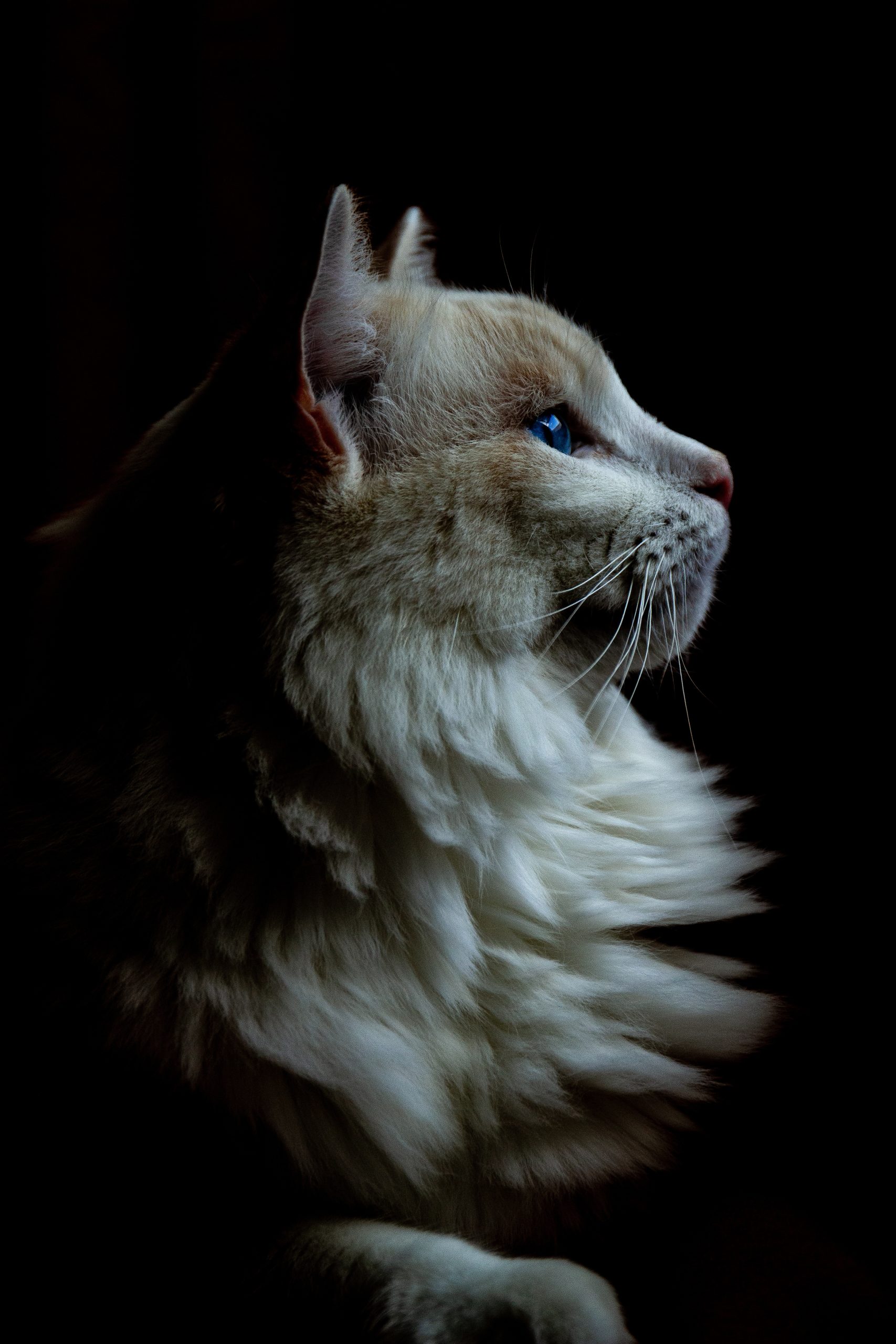
How Do Cats Communicate?
Cats and kittens communicate in a variety of ways, using sounds, body language, and smells to express themselves. When kittens are very young, they mostly communicate by meowing to get their mom’s attention. They meow when they’re hungry, cold, or need comfort. In return, the mother cat responds with soft purring, chirping, or grooming to reassure her kittens and keep them calm.
As kittens grow older, they start using more complex sounds, like hissing or growling, to show that they’re scared or upset, or to warn others to stay away. Body language is another big part of how cats communicate. Kittens often play by pouncing, chasing, or swatting at each other.
When they’re feeling playful, they’ll roll around and show off their belly. A mother cat might respond with gentle swats or grooming to teach the kittens how to behave. Tail movements are also important—if a cat’s tail is upright and twitching, it can mean they’re curious or confident. But if the tail is puffed up or flicking quickly, it usually means they’re angry or annoyed.
Scent is also a huge part of cat communication. Cats have scent glands on their faces and bodies, so they often rub against each other or objects to mark their territory or bond with others. This scent marking helps them know who belongs in their group and keeps them safe.
Overall, cats communicate in many ways to stay connected, set boundaries, and understand how others are feeling.
Lets Help Cats
Cats are very sweet and loving.
If you want to adopt a pet or donate food, just go to our Contact page for all the info. We’d love your help to give animals a good home and the food they need. Every little bit makes a big difference!
Donate today and change lives!
How to Identify a Bad Breeder
Messy living conditions: A bad breeder might keep their animals in dirty, crowded, or small spaces. If the place smells bad or looks untidy, that’s a big warning sign. A good breeder will make sure their animals have clean and comfortable spaces.
No paperwork: A good breeder will have records for their pets, like health checks, vaccinations, and family history. If they can’t show you this or seem unsure, it could mean they aren’t responsible.
Not caring about your home: A bad breeder doesn’t care about where their animals are going. They might just want to sell the pet fast. A good breeder will ask questions to make sure their animals are going to a good home.
Too many litters: If the breeder is having way too many litters of puppies or kittens in a short time, they might just be focused on making money. Responsible breeders limit the number of litters they have each year to focus on the animals’ health.
Sick or nervous animals: Animals from bad breeders might be sick, anxious, or have behavior problems because they didn’t get proper care. If the animals don’t look healthy or happy, that’s a red flag.
Won’t meet you in person: If a breeder won’t let you see where the animals live or meet them, they might be hiding something. A good breeder will show you everything and be open about their process.
Always make sure to do your research and visit the breeder to make sure you’re getting a healthy, happy pet!
How to Tell If the Person is a Good Breeder
Clean, spacious living conditions: A good breeder will keep their animals in clean, comfortable spaces. The pets should have room to move around and be well taken care of. If the place looks neat and smells fresh, that’s a great sign.
Proper paperwork: A good breeder will have all the important documents for the animals, like health check-ups, vaccinations, and family history. They should be happy to show you the records to prove the animals are healthy and well cared for.
Caring about the animal’s future: A responsible breeder will ask questions to make sure you’re a good fit for the pet. They might want to know about your home, lifestyle, and how you plan to take care of the animal. They care about where their animals are going.
Limited number of litters: Good breeders don’t have too many litters at once. They focus on quality, not quantity. They will only breed a few litters each year to ensure the animals are healthy and well-cared for.
Healthy, happy animals: Animals from a good breeder will look healthy, happy, and well-socialized. They will have been raised in a safe, loving environment with attention to their physical and emotional needs.
Open and honest communication: A good breeder will be open to meeting you and showing you where the animals are raised. They will answer your questions and be transparent about their breeding practices.
A good breeder cares about the health and happiness of their animals and will do everything they can to ensure they go to great homes!
Feel free to donate here no charges!
Find yourself donating and changing animal lives.
Donate here for free!
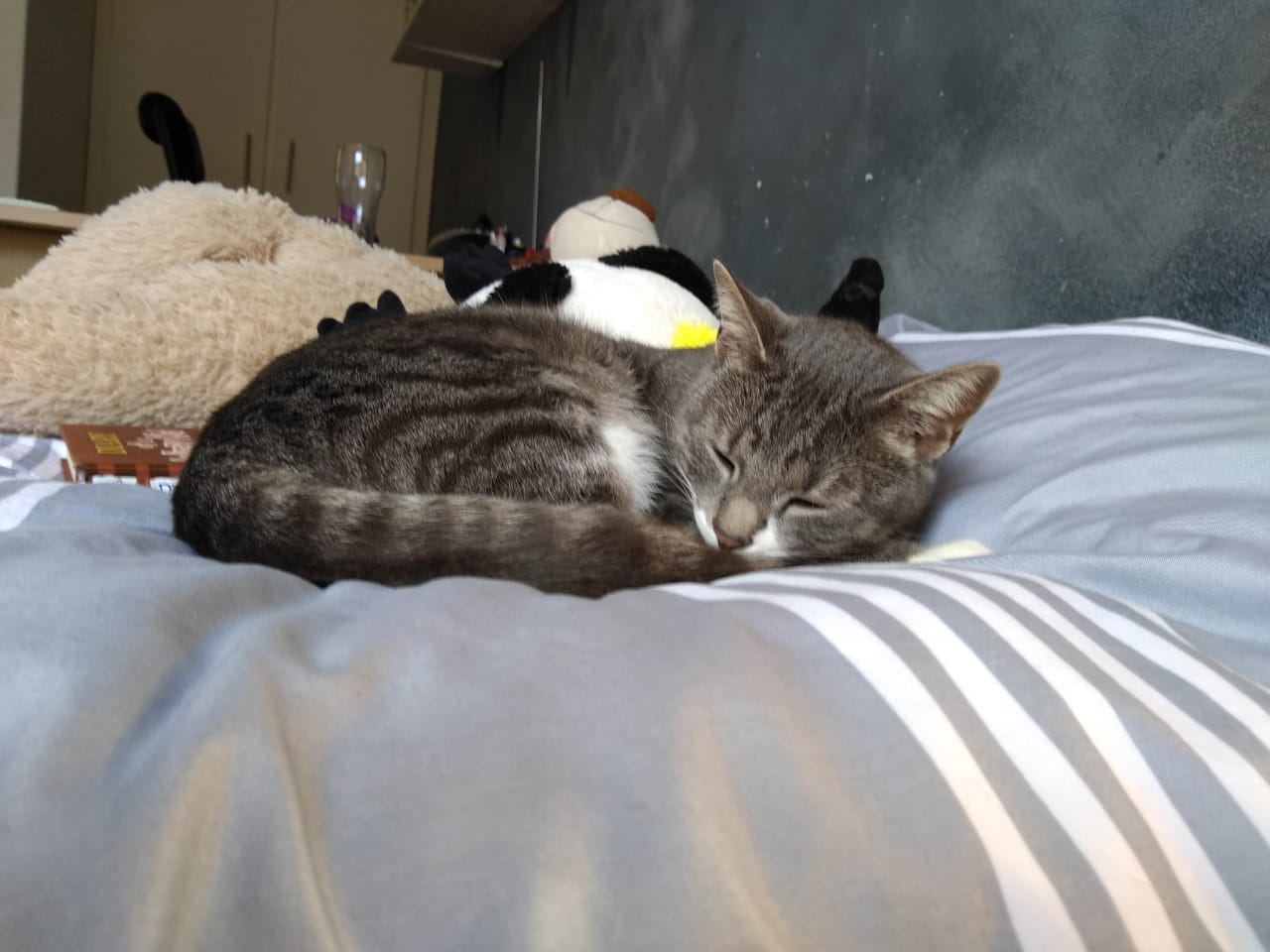
Do what you love and feel great.
Neutering/Spaying Your Cat.
Spaying or neutering your cat is really important for their health and happiness. It helps stop unwanted kittens from being born, which reduces the number of stray cats. Spaying females can prevent serious health problems like cancer, and neutering males helps stop them from being aggressive or marking territory. It also keeps your cat from trying to run away or getting into fights. Overall, spaying and neutering helps your cat live a longer, healthier life and keeps the cat population under control.
Do what you love and feel amazing. Save the animals!
Help us save life now!